
Gonet Academy CEO Champions Industry-TVET Partnerships


–Calls for Stronger Apprenticeships, Internships and Employer Engagement as AITB Pushes TVET Reforms for Workforce Transformation
As Liberia intensifies efforts to strengthen its technical and vocational education system and address persistent youth unemployment, Gonet Academy Founder and Chief Empowerment Officer (CEO), Mohammed Kerkulah, has called for deeper collaboration between industry and Technical and Vocational Education and Training (TVET) institutions, arguing that the country’s workforce challenge is rooted not in a lack of education but in limited opportunities for practical application.
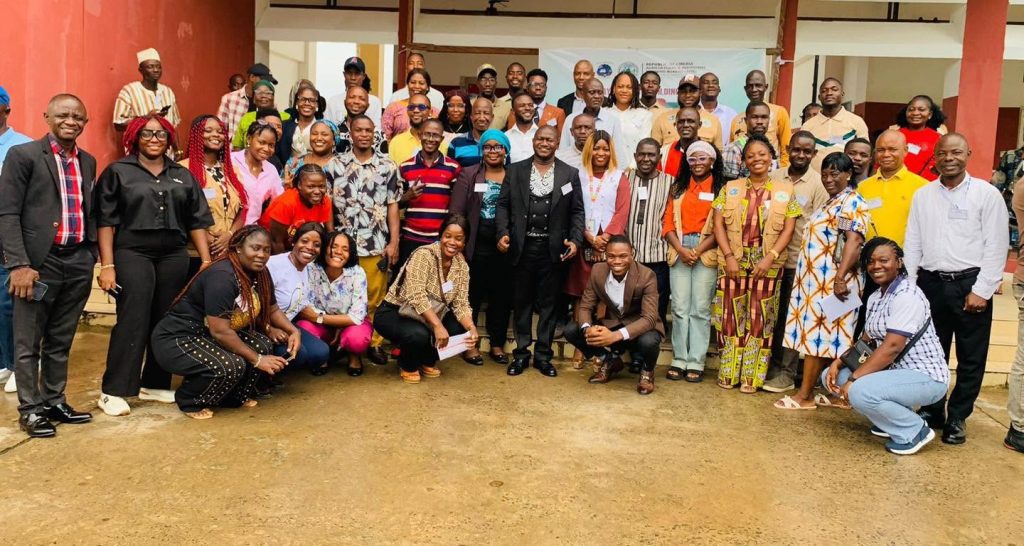
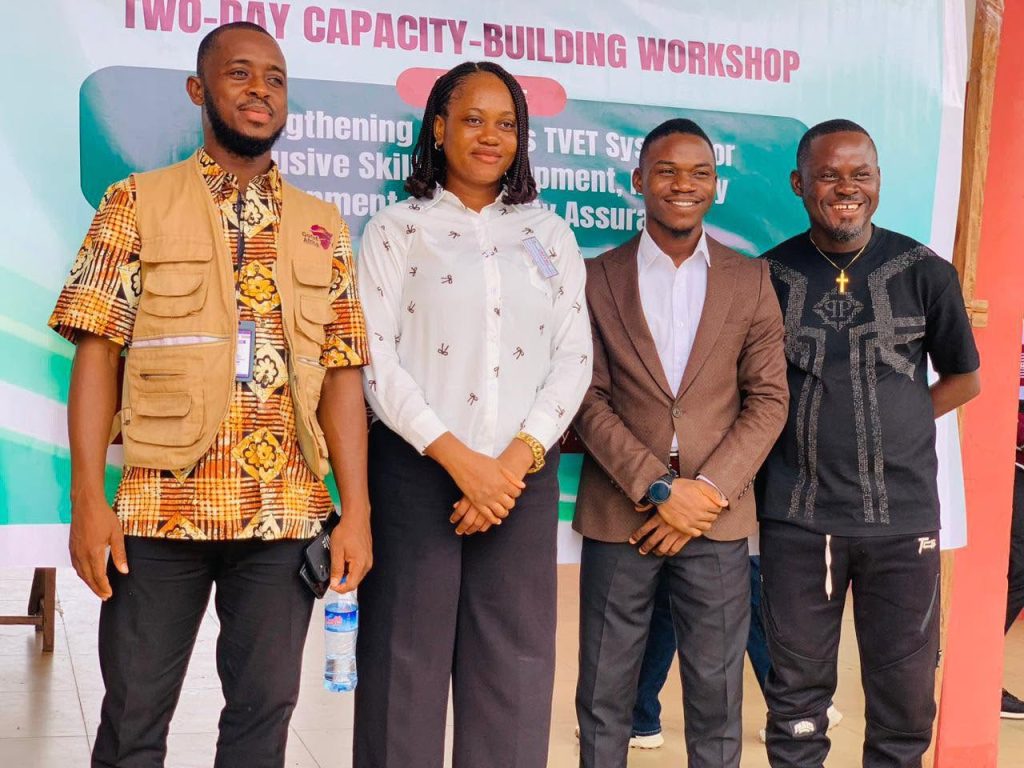
Kerkulah made the remarks while facilitating a key session on “Industry-TVET Collaboration, Apprenticeships, Internships and Dual Training” during a two-day TVET Stakeholders’ Engagement and Capacity Building Workshop organized by the Agricultural and Industrial Training Bureau (AITB) at the Monrovia Vocational Training Center (MVTC) in Paynesville.
Held under the theme, “Strengthening Liberia’s TVET System for Inclusive Skills Development, Industry Alignment and Quality Assurance,” the workshop brought together policymakers, TVET administrators, development partners, industry leaders and workforce development practitioners to explore strategies for improving the quality, relevance and competitiveness of Liberia’s skills development ecosystem.
For Kerkulah, one message clearly resonates within the TVET sector of the country. “Liberia’s workforce challenge is not simply a shortage of education—it is a shortage of opportunities to apply education,” he told participants.
The statement captured a growing concern within the country’s education and labor sectors—while thousands of young people complete academic and vocational training programs annually, many struggle to secure employment because they lack practical workplace experience and exposure to industry environments.
Facilitating discussions on industry engagement, Kerkulah stressed that certificates alone are no longer sufficient to prepare young people for today’s labor market. “Certificates alone do not create a competitive workforce—practical skills, workplace exposure and industry partnerships do,” he said.
According to him, one of the biggest challenges confronting Liberia’s workforce development agenda is the disconnect between what learners acquire in classrooms and what employers require in the workplace.
Too often, graduates leave training institutions equipped with theoretical knowledge but without the hands-on experience necessary to compete for jobs. This mismatch, he argued, contributes significantly to youth unemployment despite growing demand for skilled workers across multiple sectors.
The CEO emphasized that stronger partnerships between employers and training institutions can help bridge that divide by creating pathways for apprenticeships, internships, mentorship opportunities and dual training systems that combine classroom instruction with workplace learning.
“The future of TVET does not lie solely in classrooms,” he noted. “It lies in meaningful partnerships where learning meets practice, where institutions and employers work together, and where young people are empowered with the skills, experience and confidence to succeed.”
The workshop comes at a critical moment for Liberia’s development agenda.
With youth unemployment remaining one of the country’s most pressing socioeconomic challenges, policymakers increasingly view TVET as a strategic instrument for job creation, entrepreneurship and economic diversification.
The government’s emphasis on workforce development is also aligned with broader efforts to improve productivity in key sectors including agriculture, construction, manufacturing, mining, infrastructure development and technology.
Kerkulah argued that industry participation in curriculum design and workforce planning is essential if training institutions are to remain relevant to evolving labor market demands.
He noted that expanding apprenticeships and internship opportunities would not only improve employability but also help employers cultivate a pipeline of skilled workers tailored to their operational needs.
By strengthening industry-TVET collaboration, Liberia can produce graduates who are job-ready from day one, reduce the gap between training and labor market demands, increase productivity and competitiveness across industries, expand opportunities for youth employment and entrepreneurship, and accelerate national human capital and economic development.
The discussions closely aligned with the broader vision outlined by AITB Director General Abraham Billy, who used the workshop to reinforce the importance of technical skills in Liberia’s development trajectory.
Billy declared that the country’s development ambitions would remain difficult to achieve without deliberate investments in human capital. “Natural resources alone are not sufficient for developing a country,” Billy said. “The real resource of any nation is its human capital. If we want to transform Liberia, we must invest in developing the skills, competencies and capacities of our people.”
His remarks underscored the workshop’s central message: sustainable development requires more than infrastructure and natural wealth—it requires a skilled workforce capable of driving productivity, innovation and economic growth.
Billy also highlighted ongoing efforts by AITB to establish national standards and strengthen quality assurance across Liberia’s TVET sector.
“This workshop is intended to draw institutions closer to the decisions that will be made regarding national standards,” he explained. “It is an opportunity for institutions to understand what is required and make the necessary improvements before final evaluations are completed.”
He emphasized that the accreditation and standards process is designed not to punish institutions but to improve educational quality and enhance confidence in vocational training programs nationwide.
The workshop reflected an emerging consensus among government agencies, development partners and private-sector actors that Liberia’s future competitiveness will depend largely on the quality of its workforce.
At the same time, TVET institutions welcomed AITB’s efforts to foster greater coordination, standardization and collaboration across the sector.
For Gonet Academy, participation in the national forum aligns with its longstanding mission of empowering individuals through practical, market-relevant skills development.
Kerkulah said institutions, employers and policymakers must work collectively to build an ecosystem that prepares young Liberians not only to earn certificates but to thrive in the workplace and contribute meaningfully to national development.
“Let us continue building a TVET ecosystem that not only educates but also transforms lives, strengthens industries and drives national development,” he urged.
As the country continues its pursuit of economic transformation and inclusive growth, the workshop highlighted a fundamental truth increasingly embraced by education and workforce experts: the success of the nation’s development agenda will depend not only on what students learn, but on how effectively those skills are connected to real-world opportunities.
For stakeholders gathered in Paynesville, that connection may well represent the missing link between education and employment—and ultimately between potential and prosperity.