Gonet Academy, Local Voices Deepen Fight Against Misinformation with Student-Focused Fact-Checking Initiative

Gonet Academy, Local Voices Deepen Fight Against Misinformation with Student-Focused Fact-Checking Initiative
—Strategic Training Positions Young Communicators at the Frontline of Media Credibility
In a rapidly evolving information landscape where misinformation spreads faster than ever, Gonet Academy, in partnership with Local Voices Liberia Media Network, is stepping up efforts to strengthen media integrity in Liberia through targeted capacity-building initiatives for young communication professionals.
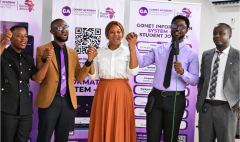
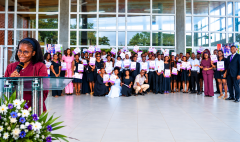
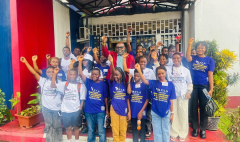
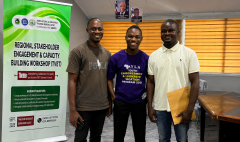
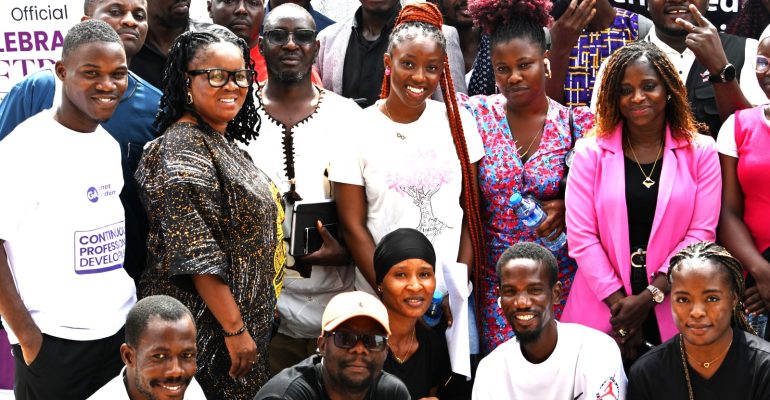
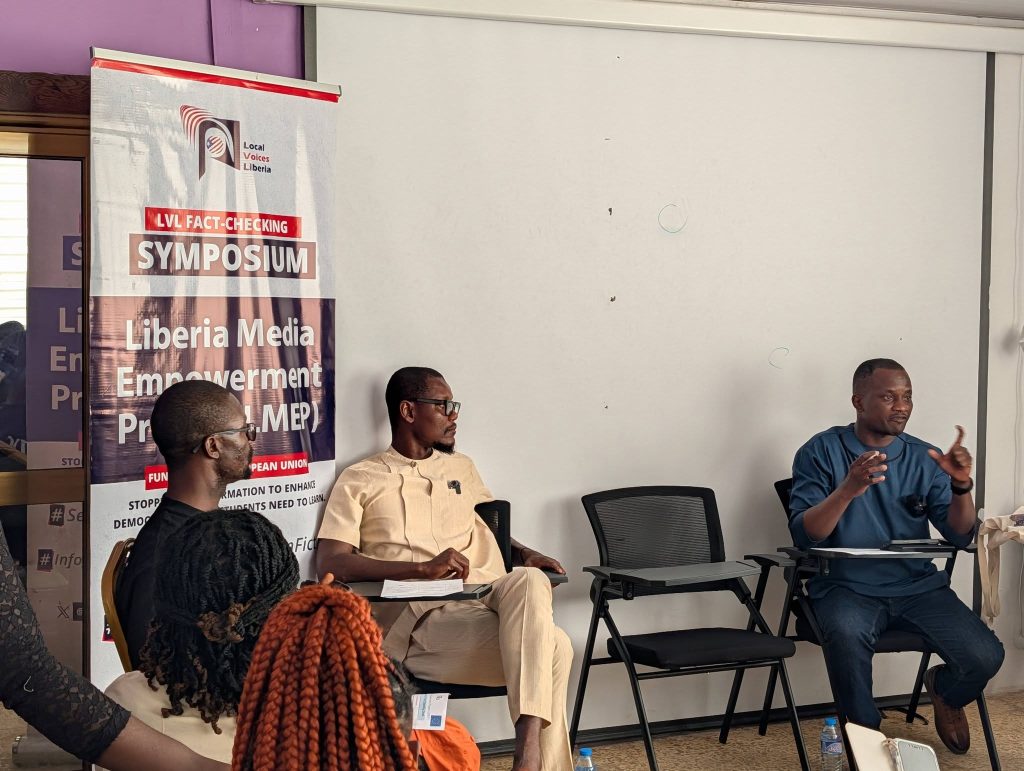
On Friday, April 17, the two institutions convened a high-impact fact-checking symposium under the Liberia Media Empowerment Program, with support from the European Union. The initiative brought together communication students, early-career journalists, and alumni of Gonet Academy’s professional programs for an intensive, hands-on training designed to reinforce ethical communication and promote evidence-based reporting.
The symposium reflects a growing recognition that the future of the Liberian media ecosystem depends heavily on the skills, judgment, and credibility of its emerging communicators.
“This initiative is about more than training—it’s about building a culture of responsibility in how information is created and shared,” Jerry Gaye, Local Voices Program Officer, emphasized, noting that misinformation poses increasing risks to public trust, governance, and social cohesion.
At the core of the symposium was a practical approach to tackling misinformation. Facilitators from Local Voices Liberia Media Network led in-depth sessions on identifying and distinguishing between misinformation, disinformation, and mal-information—concepts that are increasingly critical in today’s digital communication space.
Participants were introduced to globally recognized fact-checking tools and verification techniques used in professional journalism, including source validation, digital tracing, and content authentication.
Through real-world simulations, attendees engaged in hands-on exercises that required them to assess the credibility of information, verify claims, and make editorial decisions under guided supervision.
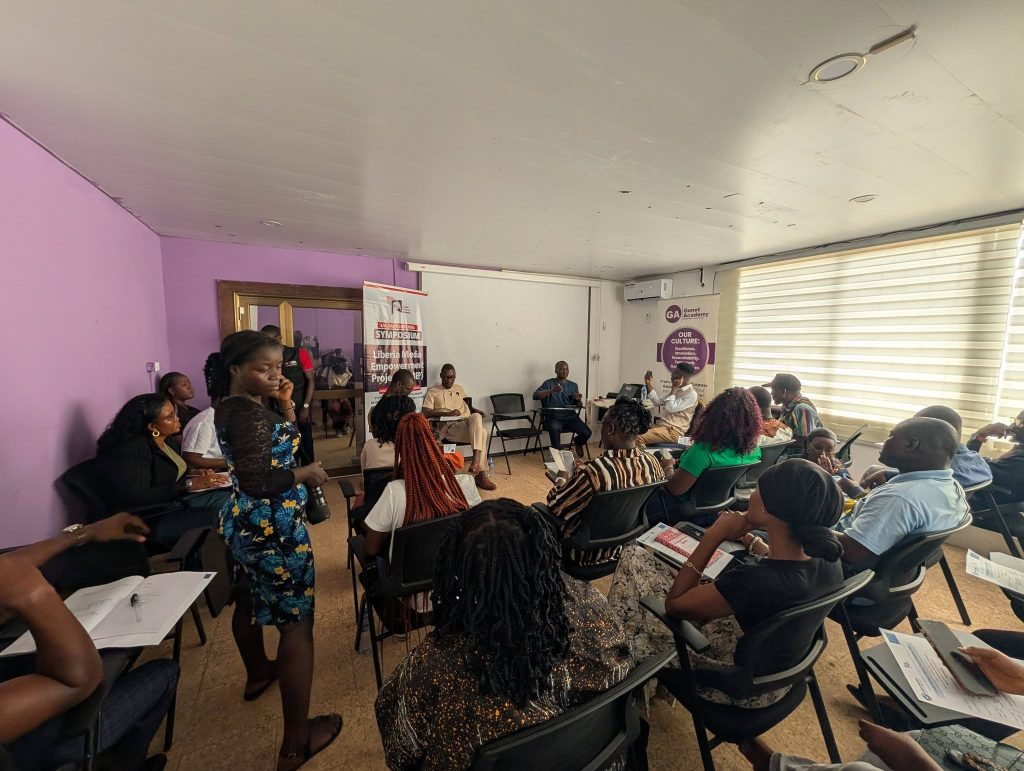
“The practical sessions helped us understand how easily false information can spread—and how important it is to verify before sharing,” one participant noted. “These are skills we will use every day.”
Beyond technical skills, the symposium placed strong emphasis on the ethical responsibilities of media practitioners. Discussions highlighted the critical role journalists and communicators play in safeguarding public trust, particularly in an era where digital platforms amplify both accurate and misleading information.
Organizers stressed that combating misinformation is not solely about correcting falsehoods—it is about proactively building credibility, accountability, and professionalism within the media sector.
“Trust is the foundation of journalism,” a facilitator explained. “Once it is lost, it is very difficult to regain. That is why fact-checking and ethical reporting must be at the center of media practice.”
The initiative aligns with Gonet Academy’s broader mission to equip young professionals with market-relevant skills that respond to real-world challenges. By integrating media literacy and factchecking into its training ecosystem, the institution is positioning itself as a key player in shaping a more responsible and resilient media environment in Liberia.
For Local Voices Liberia Media Network, the collaboration reflects its commitment to strengthening grassroots journalism and amplifying credible local narratives.
The partnership demonstrates a strategic model—combining academic training with industry expertise—to address systemic challenges in the media sector.
In addition to training, the symposium created a dynamic platform for networking and knowledge exchange. Participants engaged with experienced media professionals, shared perspectives, and built connections that could support their career development.
This interaction between emerging and established communicators is seen as critical for mentorship, innovation, and the continuous evolution of media standards in the country.
Organizers say the symposium is part of a broader, long-term effort to institutionalize media literacy and ethical communication practices across Liberia.
Gonet Academy has announced plans to expand similar initiatives, including more in-depth workshops, extended training sessions, and increased participation to deepen impact.
“There is a clear demand for this kind of training,” organizers noted. “The next step is to scale it—so more young people can access these critical skills.”
The success of the symposium underscores a shared commitment among stakeholders—educational institutions, media organizations, and international partners—to foster a more informed, responsible, and resilient information ecosystem.
At a time when misinformation continues to challenge democratic processes and public discourse, initiatives like this signal a proactive shift: empowering the next generation of communicators not just to report the news, but to protect its integrity.
In that sense, the Gonet Academy–Local Voices collaboration is not just a training program—it is an investment in the future of credible journalism in Liberia.