
GonetAfrica Strengthens Public Sector Governance through SOP Capacity Building for BSE Senior Management
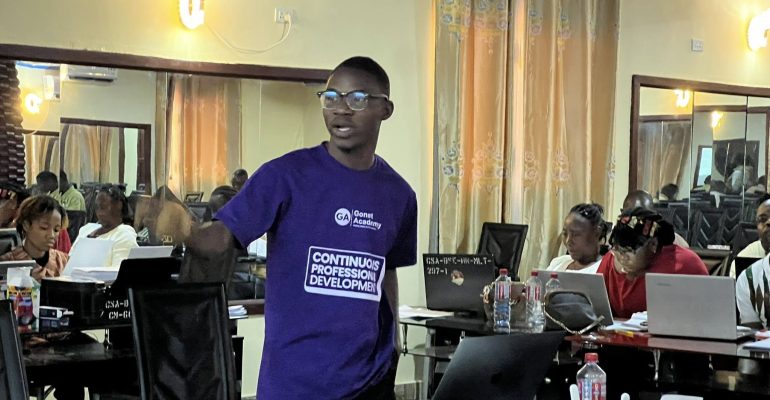

GonetAfrica Strengthens Public Sector Governance through SOP Capacity Building for BSE Senior Management
GonetAfrica has reinforced its commitment to advancing good governance and institutional effectiveness in Liberia’s public sector through a strategic partnership with the Bureau of State Enterprises (BSE), delivering a comprehensive Standard Operating Procedures (SOP) training for senior management.
The four-day program, held in Buchanan, Grand Bassa County from December 15–18, 2025, marks a significant intervention aimed at strengthening governance, compliance, and operational excellence as BSE prepares to transition into the State-Owned Enterprises Authority of Liberia (SEAL).
The training brought together heads of 14 key departments, underscoring the importance of leadership-driven reform in public institutions. Designed to promote a shared and consistent understanding of SOPs, the program focused on enhancing decision-making, reinforcing accountability systems, and embedding best practices that align with Liberia’s legal and regulatory frameworks. Through this intervention, GonetAfrica directly supported BSE’s efforts to institutionalize transparency, efficiency, and ethical leadership within the state-owned enterprise (SOE) sector.
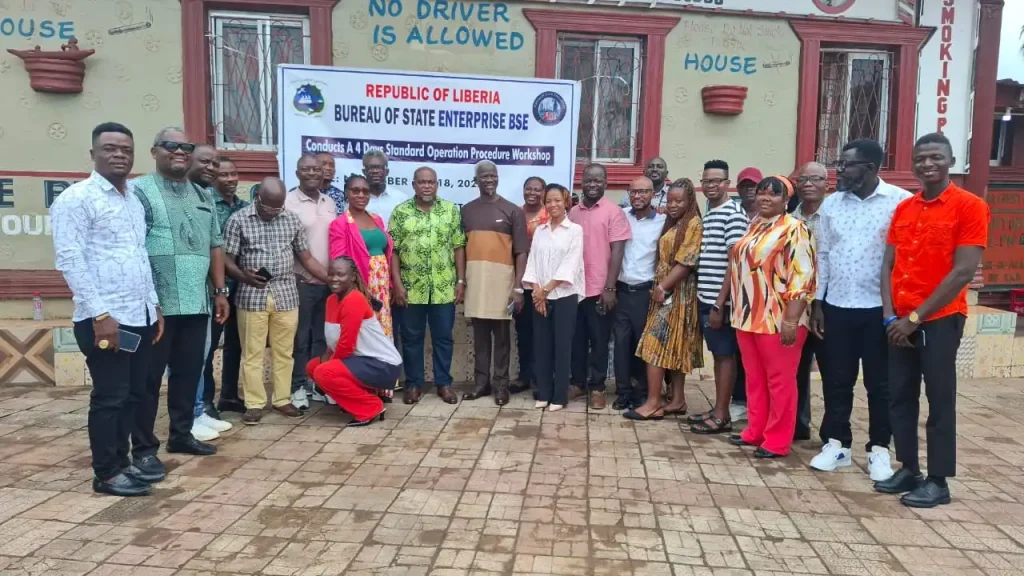
Over the course of the sessions, participants engaged in in-depth discussions on governance frameworks and compliance requirements, including the Public Financial Management (PFM) Act, the Public Procurement and Concessions Act (PPCC), regulations of the Internal Audit Agency (IAA), and guidelines of the General Auditing Commission (GAC).
Facilitators emphasized how strict adherence to these instruments strengthens internal controls, reduces waste, minimizes audit queries, and improves the responsible management of public resources. As the training progressed, emphasis shifted to hands-on exercises and collaborative problem-solving, enabling participants to apply SOPs to real operational challenges faced by their departments.
Senior leadership at the BSE highlighted that the training aligns with broader national reforms aimed at improving the governance and performance of Liberia’s SOEs. Opening the workshop, BSE Director General J. S. B. Theodore Momo Jr. described the program as critical to the future of SOE oversight in Liberia, urging department heads to lead by example in enforcing compliance and ethical standards. Deputy Director General for Administration and Finance, Joseph Boye Cooper, further noted that the transition to SEAL represents a pivotal opportunity to strengthen institutional credibility and rebuild public trust.
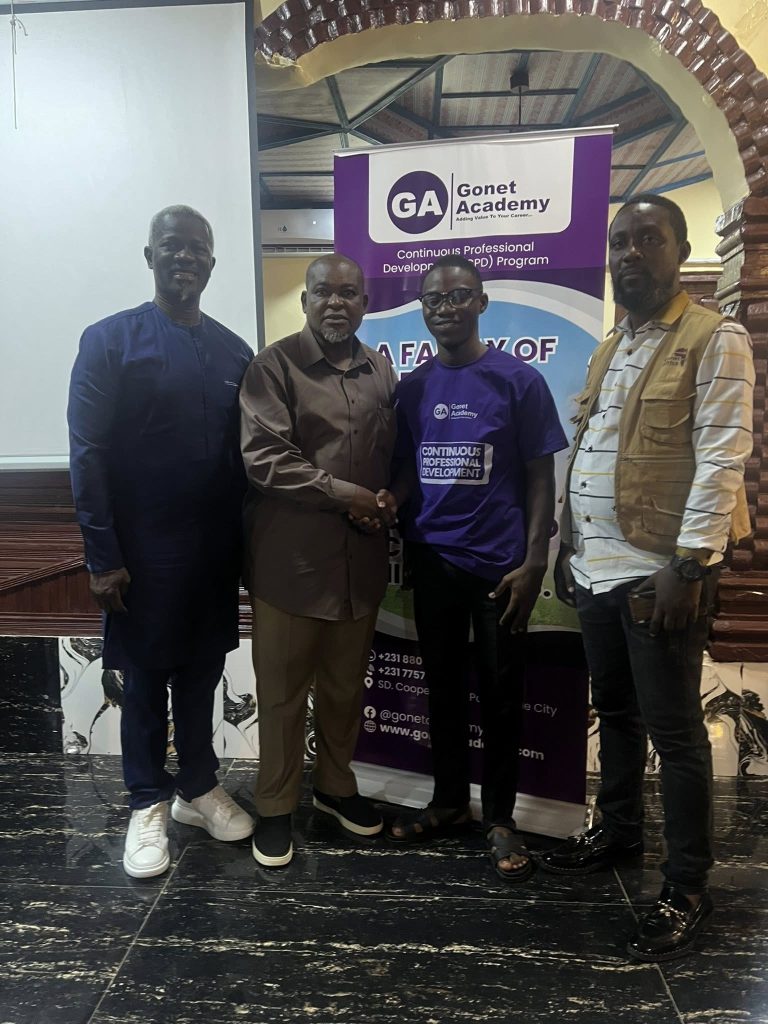
The sessions were facilitated by GonetAfrica founder and Chief Empowerment Officer (CEO), Mohammed Kerkulah, and the head of GonetAfrica Program and Quality Delivery Department, Mr. Richmond Salami.
GonetAfrica’s intervention is particularly significant at this transition stage. By equipping senior managers with the skills to consistently interpret and apply SOPs, the training lays a strong foundation for effective oversight, improved segregation of duties, and risk mitigation.
This proactive approach ensures that governance systems are firmly in place before the full establishment of SEAL, reducing institutional vulnerabilities and enhancing performance outcomes across the SOE sector
Commenting on the initiative, CEO Kerkulah lauded the BSE leadership for prioritizing capacity building and empowering employees in line with their terms of reference. He called for sustained collaboration between development partners and public institutions, noting that such investments are essential to strengthening public sector governance and driving sustainable national development.
As Liberia pursues reforms aimed at efficiency, transparency, and accountability in public administration, the SOP training stands out as a practical example of how targeted capacity-building interventions can deliver lasting impact. Through its partnership with BSE, GonetAfrica has demonstrated how strategic training initiatives can enhance institutional resilience, improve governance standards, and ultimately contribute to a more effective and efficient public sector that delivers value to citizens.